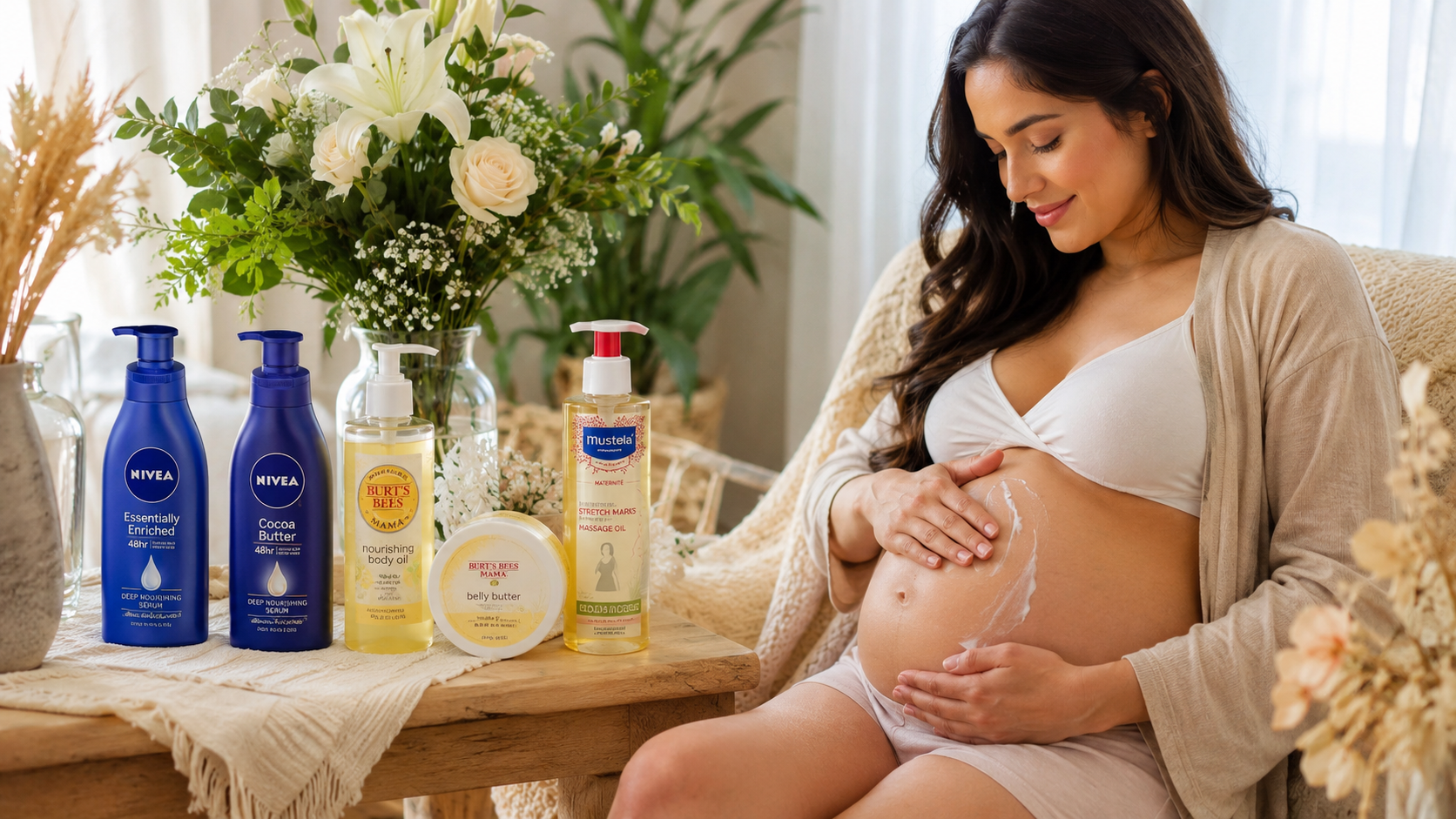
Pregnancy brings so many exciting changes, but it also makes you second-guess every product you put on your skin. As an expectant mom, you’re naturally protective and want to know you’re making the safest choices for you and your baby. If you’ve ever typed into Google, “I’m a pregnant woman. Are Nivea products safe compared to Burt’s Bees or Mustela?”, you’re not alone. Many moms wonder whether everyday affordable options like Nivea stack up against more “natural” or maternity-focused brands like Burt’s Bees and Mustela. The good news? With the right information, you can confidently care for your changing skin without unnecessary worry.
Most standard skincare from these brands is generally safe when you check labels and avoid a few known no-gos. Safety really comes down to specific ingredients rather than the brand name itself. Let’s break it all down in a practical, mom-to-mom way so you feel empowered.
Understanding Skincare Safety During Pregnancy
Your skin goes through a lot while pregnant—hormones can cause dryness, stretch marks, acne, melasma, and increased sensitivity. The good thing is that your skin barrier still does a decent job of limiting what gets absorbed, but it’s smart to be mindful. Dermatologists generally advise sticking to gentle, fragrance-free or lightly scented products and steering clear of high-risk actives.
Common ingredients to watch for include retinoids (like retinol), high-dose salicylic acid, hydroquinone, and certain essential oils in high concentrations. These can affect fetal development at higher doses. On the flip side, hydrating basics like glycerin, shea butter, cocoa butter, and mineral sunscreens are usually fine and very helpful for that tight, itchy belly skin many moms experience.
Nivea, Burt’s Bees, and Mustela all offer options that fit into safe routines, but they approach skincare differently. Nivea is accessible and effective for daily moisture. Burt’s Bees leans on natural ingredients like beeswax and plant oils. Mustela designs many products specifically with pregnancy and babies in mind, often with clinical testing for sensitive skin.
Breaking Down Nivea Products for Pregnant Women
Nivea has been a bathroom staple for generations, and many of its basic creams and lotions are considered low-risk during pregnancy. Their simple moisturizers, body lotions, and gentle cleansers often rely on safe classics like glycerin and almond oil without problematic actives.
That said, not every Nivea product is identical. Some lotions contain fragrance or preservatives like phenoxyethanol that some moms prefer to minimize, especially later in pregnancy. Nivea itself states that their cosmetic products are evaluated for safety and are suitable for pregnant and breastfeeding women when used as directed. Always patch-test if your skin is extra sensitive, and opt for their fragrance-free or minimal-ingredient lines when possible.
For stretch marks or dry skin, Nivea’s richer creams can provide good hydration at a budget-friendly price. Just double-check the label on any product with “anti-aging” claims, as those sometimes sneak in retinoids or other derivatives best avoided now.
Why Burt’s Bees Appeals to Many Expectant Moms
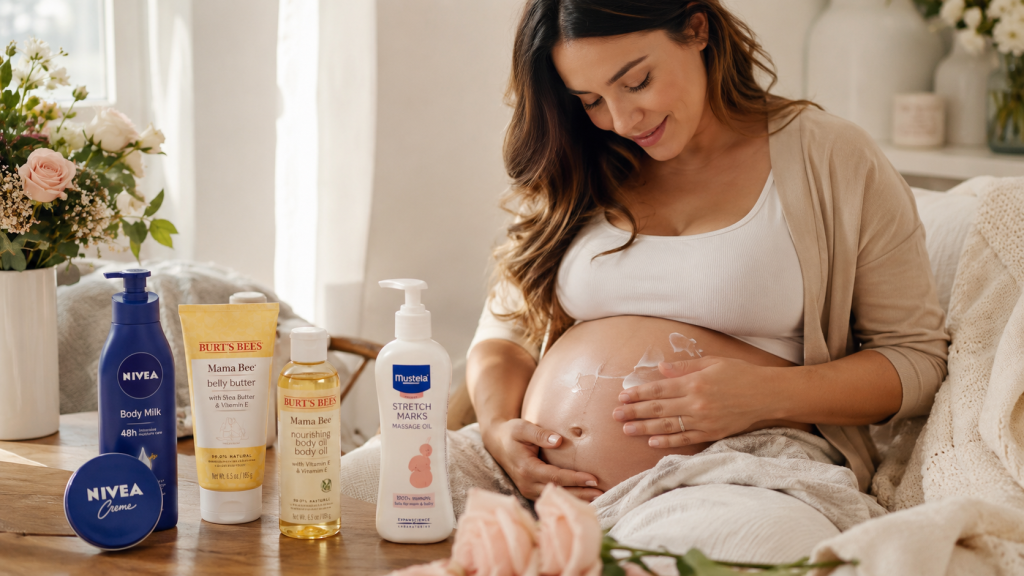
Burt’s Bees built its reputation on natural, recognizable ingredients like honey, beeswax, and botanical extracts. Their Mama Bee line, including the popular Belly Butter, is a favorite for pregnant women dealing with itchy, stretching skin. Many of their products are fragrance-free or use gentle scents, making them a comforting choice.
The brand feels reassuring because it avoids many synthetic chemicals. However, “natural” doesn’t automatically mean risk-free—some botanical extracts or essential oils can still irritate sensitive skin during pregnancy or raise minor concerns. Most Burt’s Bees lip balms, basic lotions, and belly butters rate well for pregnancy use, but it’s wise to scan ingredients on newer or treatment-focused items.
Moms often love the texture and how these products soothe without feeling heavy. If you prefer a more earthy, minimal-ingredient vibe, Burt’s Bees is a solid pick that many continue to use postpartum, too.
Mustela: The Pregnancy and Baby Specialist
Mustela stands out because it’s explicitly formulated for maternity and infant skin. Their stretch mark creams, oils, and moisturizers are clinically tested and safe from the first trimester onward. Many are made with a high percentage of natural-origin ingredients and are EWG-verified or dermatologist- and pediatrician-tested.
Expectant moms appreciate Mustela’s focus on preventing and reducing stretch marks while keeping skin comfortable. Products like their Stretch Marks Cream or multi-purpose lotions absorb well and rarely cause irritation. Because the brand designs for both mom and baby, there’s extra peace of mind regarding absorption or transfer.
Compared to the others, Mustela often feels like the most targeted option for pregnancy-specific concerns, though it usually comes at a higher price point.
Direct Comparison: Nivea vs Burt’s Bees vs Mustela
Here’s a helpful table summarizing key aspects for pregnant women:
| Price Point | Very affordable | Mid-range | Premium |
| Best For | Everyday hydration, body lotions | Natural belly butters, lip care | Pregnancy-specific stretch marks |
| Natural Ingredients | Moderate | High | Very high (often 90%+) |
| Fragrance Options | Many scented; some fragrance-free | Often mild or fragrance-free | Mostly gentle/minimal |
| Pregnancy-Specific Line | Limited | Mama Bee line | Dedicated maternity collection |
| Key Caution | Check for retinoids in some anti-aging | Certain essential oils or fragrance | Generally few; still read labels |
This comparison shows there’s no single “winner”—it depends on your budget, skin needs, and preferences. Many moms mix and match: Nivea for daily basics, Burt’s Bees for belly balm, and Mustela for targeted care.
“Safety during pregnancy depends more on the ingredient list than on the brand name.” — Common advice from skincare safety resources.
Another mom-shared quote: “I used Burt’s Bees Belly Butter religiously and loved the natural feel, but Nivea kept my legs from getting too dry on a budget.” Real experiences like this remind us that what works best can vary.
Common Ingredients to Watch and Safe Alternatives
Across all brands, prioritize products without retinoids, high salicylic acid, or hydroquinone. Look for hydrators like shea butter, vitamin E, and hyaluronic acid (in lower concentrations). Mineral sunscreens with zinc oxide or titanium dioxide are safer choices than chemical filters for daily sun protection.
For acne-prone skin, gentle cleansers from any of these brands paired with pregnancy-safe spot treatments (like azelaic acid if approved by your doctor) can help. Always consult your OB-GYN or dermatologist for personalized advice, especially if you have specific skin conditions.
Tips for Building a Pregnancy Skincare Routine
Start simple: a gentle cleanser, rich moisturizer, and belly oil or butter. Apply stretch mark products daily from early on to keep skin supple. Stay hydrated, eat nutrient-rich foods, and wear loose clothing to reduce irritation.
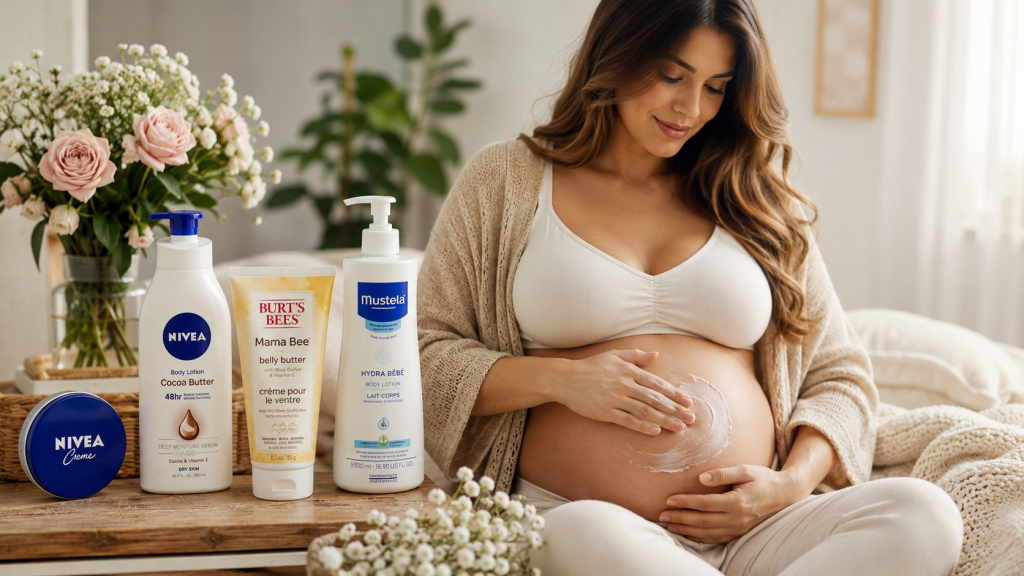
Many women find success rotating products—using Nivea’s affordable creams for large areas and splurging on Mustela or Burt’s Bees for problem zones. Patch testing new items is always smart, and reading full ingredient lists (or using a pregnancy-safe app) takes the guesswork out.
Conclusion
Being pregnant doesn’t mean you have to overhaul your entire routine or spend a fortune. I’m a pregnant woman wondering if Nivea products are safe compared to Burt’s Bees or Mustela? The answer is reassuring: all three brands offer many suitable options when you choose thoughtfully and avoid known concerning ingredients. Nivea provides reliable, budget-friendly hydration; Burt’s Bees delivers natural comfort; and Mustela excels with pregnancy-tailored formulas.
Listen to your skin, check labels, and enjoy this special time while keeping things simple and safe. Your glowing (or sometimes spotty!) skin will thank you, and so will your peace of mind.
FAQ
I’m a pregnant woman. Are Nivea products safe compared to Burt’s Bees or Mustela?
Many Nivea basics like simple moisturizers are safe for most pregnant women, similar to options from Burt’s Bees and Mustela. The key is to read labels and avoid retinoids or other high-risk ingredients. Mustela often has more pregnancy-specific testing, but Nivea and Burt’s Bees work well for daily use too.
Which brand is best for stretch marks during pregnancy?
Mustela and Burt’s Bees Mama Bee lines are popular for targeted stretch-mark care due to their rich, natural formulas. Nivea offers effective, cheaper alternatives that provide solid hydration. Many moms use a combination successfully.
Can I use scented Nivea products while pregnant?
It’s generally fine if the scent doesn’t bother you, but some moms prefer fragrance-free versions to minimize sensitivity. Burt’s Bees and Mustela tend to have milder scent profiles overall.
Are there any Nivea products to avoid during pregnancy?
Avoid any with retinol, high salicylic acid, or strong anti-aging claims. Stick to basic creams and lotions. Always confirm with current ingredient lists or a pregnancy safety app.
How do I choose between Burt’s Bees and Mustela for my baby bump?
Choose Burt’s Bees for an affordable natural feel and Mustela if you want clinically tested, maternity-focused products. Both are excellent—pick based on texture preference and budget.