
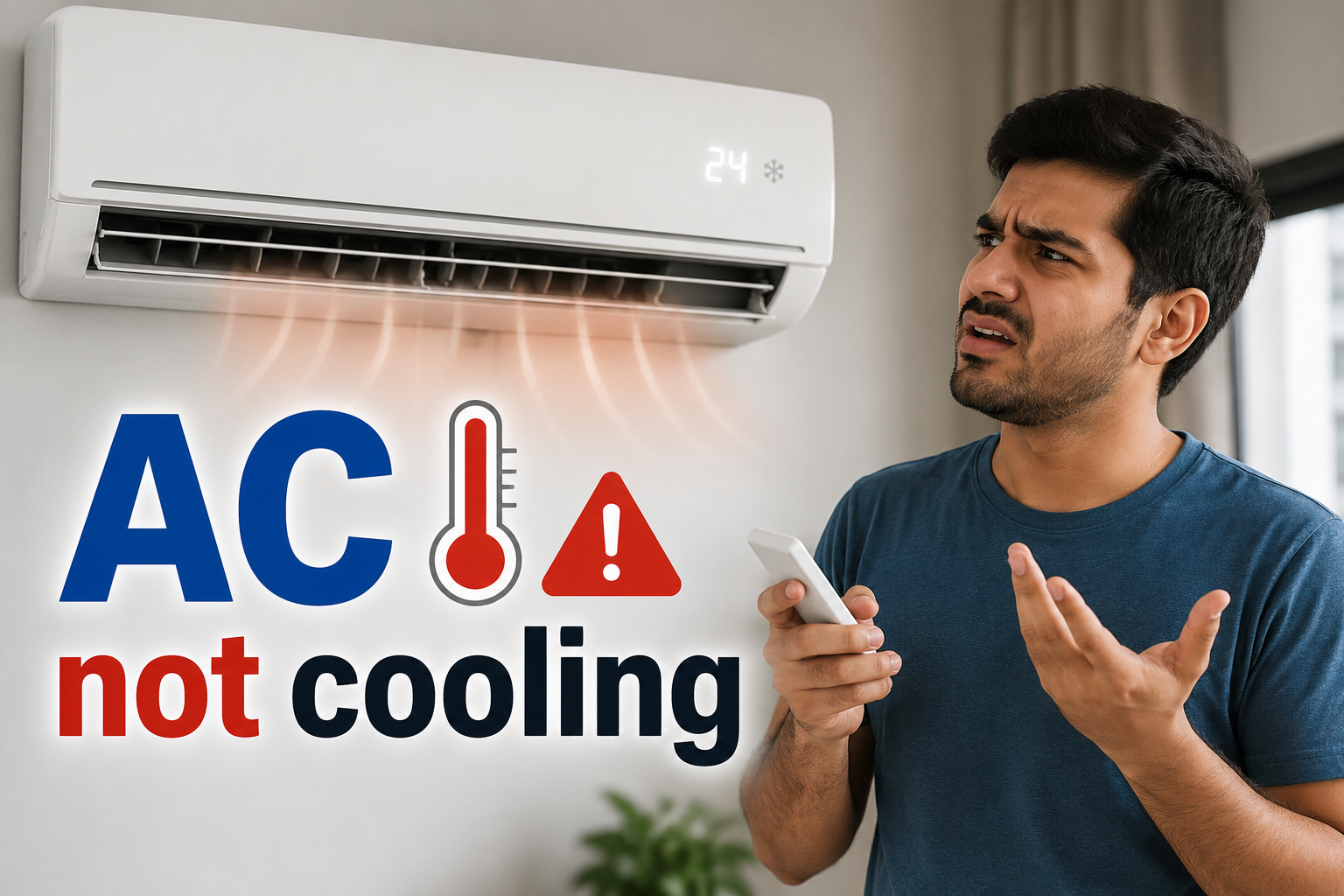
A reliable HVAC system is one of the most important parts of a comfortable home. In Englewood, Colorado, homeowners need dependable heating during cold weather and effective air conditioning when summer temperatures rise. When an HVAC system starts losing performance, even a small issue can quickly affect the comfort of an entire household.
One particularly common concern is an air conditioner that turns on but fails to cool the home properly. If you are searching for Colorado AC not cooling, there are several possible explanations, including airflow restrictions, thermostat problems, dirty components, refrigerant issues, and mechanical failures.
Professional heating and cooling services in Englewood can help identify the source of the problem and restore your system to dependable operation.
Understanding How Your Air Conditioner Works
Before troubleshooting an AC problem, it helps to understand the basic cooling process.
An air conditioner absorbs heat from indoor air and transfers that heat outside. Refrigerant moves through the system while indoor and outdoor components work together to complete the cooling cycle.
The system generally relies on components such as:
- Thermostat
- Evaporator coil
- Condenser coil
- Compressor
- Blower fan
- Refrigerant lines
- Electrical controls
- Air filter
- Ductwork
If one component isn’t working correctly, the entire cooling process can be affected.
Colorado AC Not Cooling: Common Warning Signs
When homeowners search for Colorado AC not cooling, they may be experiencing different symptoms.
Some of the most common signs include:
- The AC is blowing warm air.
- Airflow is weaker than normal.
- The system runs continuously.
- The house takes too long to cool.
- Certain rooms remain hot.
- Ice forms around the equipment.
- Water appears near the indoor unit.
- The outdoor condenser isn’t running.
- The system makes unusual noises.
These symptoms don’t necessarily point to the same problem. Professional diagnosis is useful because treating the wrong component may not resolve the underlying issue.
Start With Your Thermostat
The thermostat is a simple place to begin when troubleshooting.
Check that the thermostat is set to Cool and that the desired temperature is below the current indoor temperature. If the display is blank, check whether the batteries need replacing.
You should also make sure the thermostat isn’t located near a heat-producing appliance or exposed to unusual sunlight, as this can sometimes affect temperature readings.
If everything appears correct but the AC still doesn’t cool, the issue may be elsewhere in the system.
Replace a Dirty Air Filter
One of the simplest HVAC maintenance tasks is replacing a dirty air filter.
As the filter collects dust and particles, airflow can gradually become restricted. Poor airflow may cause the system to work harder while providing less effective cooling.
Check your filter regularly and replace it according to the manufacturer’s recommendations.
If a new filter doesn’t improve cooling, don’t assume that another filter is the solution. There may be an underlying airflow, electrical, refrigerant, or mechanical problem.
Check the Airflow From Your Vents
Place your hand near several supply vents while the AC is operating.
If airflow feels normal in some rooms but weak in others, the issue may involve ductwork, balancing, or individual vents.
If airflow is weak throughout the house, the blower, filter, duct system, or another component may require professional inspection.
Keeping vents open and unobstructed is a simple way to support proper air distribution.
Examine the Outdoor Condenser
The outdoor condenser is critical to the cooling process. It releases heat absorbed from inside the home.
Look at the area surrounding the unit. If leaves, grass, weeds, or other debris are blocking the equipment, airflow may be affected.
Maintaining a clear area around the condenser can help the unit operate normally.
However, homeowners should not remove electrical covers or attempt to repair internal components. If the outdoor unit isn’t operating, professional HVAC service is recommended.
Could Refrigerant Be the Problem?
Refrigerant problems are another potential explanation for poor cooling.
An air conditioner with a refrigerant leak may struggle to remove heat effectively. In some situations, homeowners may notice ice developing on refrigerant lines or cooling components.
If you suspect a refrigerant issue, professional diagnosis is important. Refrigerant service requires specialized equipment and should be performed by an appropriately qualified technician.
Simply adding refrigerant without identifying the underlying cause may not solve the problem permanently.
Why AC Coils Matter
The evaporator and condenser coils play important roles in heat transfer. Dirt accumulation on these components can interfere with system performance.
Restricted airflow can also contribute to problems involving the evaporator coil.
If coils become excessively dirty or the system repeatedly develops ice, professional maintenance can help determine what is causing the issue.
Regular HVAC maintenance can keep important components cleaner and make it easier to identify abnormal operation.
Electrical Problems Can Stop an AC From Cooling
Air conditioning systems depend on electrical components to start and operate motors, compressors, fans, and controls.
A failed capacitor or other electrical component can cause the system to behave unexpectedly.
Possible signs of an electrical problem include:
- AC won’t start
- Outdoor unit isn’t running
- System starts and stops repeatedly
- Buzzing or humming sounds
- Circuit breaker trips
Electrical repairs should not be treated as DIY projects. A trained HVAC professional can diagnose electrical problems using the appropriate tools and safety procedures.
The Compressor and Cooling Performance
The compressor is a major component of an air conditioning system. It helps circulate refrigerant through the cooling cycle.
When compressor problems occur, cooling performance can decline significantly.
Because compressor replacement can be expensive, accurate diagnosis is particularly important. A technician can determine whether the compressor itself is faulty or whether another component is responsible for the symptoms.
Why Heating and Cooling Services in Englewood Are Important
Professional HVAC support isn’t only useful when an air conditioner breaks down.
Reliable heating and cooling services in Englewood can provide ongoing maintenance and help homeowners identify developing issues before they become major problems.
Services may include:
- AC maintenance
- Heating maintenance
- HVAC troubleshooting
- Airflow inspections
- Thermostat service
- Component inspections
- System repairs
- HVAC replacement evaluations
Regular professional attention can help homeowners understand how their equipment is performing throughout the year.
Preparing Your HVAC System for Summer
Before temperatures become uncomfortable, homeowners can take several steps to prepare their cooling system.
Start by checking the air filter and making sure supply and return vents are unobstructed. Inspect the outdoor unit visually and remove loose debris from the surrounding area.
It’s also useful to pay attention to changes in system performance. If your AC takes much longer to cool the house than it did previously, professional maintenance may be worthwhile.
Preparing early can reduce the chance of discovering a serious problem during the hottest part of the season.
Preparing for Colorado’s Colder Months
Heating systems deserve the same attention as air conditioners.
Before cold weather arrives, homeowners should consider scheduling professional maintenance for their heating equipment. A technician can inspect the system and identify issues that could affect performance or reliability.
This year-round approach is one reason heating and cooling services in Englewood are valuable for homeowners who want to maintain their entire HVAC system instead of addressing problems only after a breakdown.
Why Uneven Temperatures Shouldn’t Be Ignored
If one part of your home is consistently warmer than another, your AC may not necessarily be broken. However, the difference deserves attention if it is persistent.
Possible causes include:
- Ductwork restrictions
- Poor insulation
- Blocked vents
- Airflow imbalance
- Thermostat location
- Excessive sunlight
- HVAC sizing issues
A professional inspection can help determine whether the issue originates from the HVAC equipment or the home’s airflow and insulation.
How to Reduce Strain on Your AC
Simple household habits can support HVAC efficiency.
Keep windows and doors closed while the AC is operating, use window coverings to reduce direct sunlight, and keep vents free from obstructions.
Replacing filters when necessary and maintaining the outdoor condenser area can also help.
These measures won’t repair a defective component, but they can help a properly functioning system operate under more favorable conditions.
When an AC Repair Shouldn’t Be Delayed
Some homeowners continue operating a system even when they notice obvious problems. While this may seem convenient, ignoring repeated symptoms can sometimes result in additional wear.
Professional service is especially important when:
- The system repeatedly freezes.
- Water is leaking indoors.
- The outdoor unit doesn’t operate.
- The circuit breaker repeatedly trips.
- The AC makes loud or unusual sounds.
- Cooling performance suddenly declines.
- The system runs continuously without reaching the thermostat setting.
If you’re experiencing Colorado AC not cooling, timely diagnosis can help determine whether the problem is minor or requires more significant repair.
Repair or Replace Your HVAC System?
Eventually, every HVAC system reaches the point where replacement becomes a consideration.
However, a cooling problem by itself doesn’t automatically mean you need a new air conditioner.
Professionals can evaluate:
- Equipment age
- Repair history
- Current efficiency
- Condition of major components
- Cost of repairs
- Expected future performance
A relatively minor repair may restore an otherwise healthy system. On the other hand, repeated expensive failures may make replacement a more practical long-term option.
Choosing a Professional HVAC Provider
When looking for heating and cooling services in Englewood, homeowners should focus on more than price.
Consider whether the provider offers comprehensive HVAC services, communicates clearly, has appropriate qualifications, and provides transparent information about recommended repairs.
A good HVAC professional should be able to explain what is wrong, why the problem occurred, and what options are available.
Frequently Asked Questions
Why is my Colorado AC not cooling enough?
Possible causes include a clogged filter, thermostat issue, airflow restriction, dirty coils, outdoor condenser problems, refrigerant issues, or mechanical failure. A professional inspection can identify the specific cause.
Should I keep running an AC that isn’t cooling?
If the system is running continuously without cooling, or if you notice ice, water leaks, unusual noises, or electrical problems, it is better to stop operating the system and seek professional advice.
How often should HVAC maintenance be performed?
Maintenance requirements vary by system and manufacturer. Many homeowners schedule professional service seasonally or according to the equipment manufacturer’s recommendations.
Can HVAC maintenance prevent every breakdown?
No maintenance plan can guarantee that a system will never fail. However, routine inspections can identify wear, buildup, airflow issues, and other developing concerns before they potentially become larger problems.
What do heating and cooling services in Englewood include?
Depending on the provider, services can include heating and AC maintenance, troubleshooting, repairs, inspections, airflow evaluations, thermostat service, and HVAC replacement consultations.
Final Thoughts
A properly functioning air conditioner is essential for maintaining comfort during warm Colorado weather. If you’re dealing with Colorado AC not cooling, simple checks such as the thermostat, filter, vents, and outdoor unit may reveal an obvious issue.
When those steps don’t solve the problem, professional diagnosis is the safest and most effective approach. HVAC specialists can identify problems involving airflow, refrigerant, electrical components, coils, compressors, and other parts of the system.
For year-round comfort, dependable heating and cooling services in Englewood can help homeowners maintain both heating and cooling equipment. Regular maintenance, prompt repairs, and informed HVAC decisions can contribute to a more comfortable and reliable home throughout every season.





One thought on “Heating and Cooling Services in Englewood: Expert Solutions for Colorado AC Not Cooling”