If you have ever felt a sudden sharp jab in your lower ribs or upper belly that comes with a weird clicking or popping sensation, you are not alone—and you are probably not imagining it. Slipping rib syndrome is a real but frequently overlooked musculoskeletal condition that can turn everyday movements like twisting, coughing, or even rolling over in bed into painful ordeals. Many people spend months or even years bouncing between doctors and tests before finally getting answers, which only adds to the frustration and anxiety.
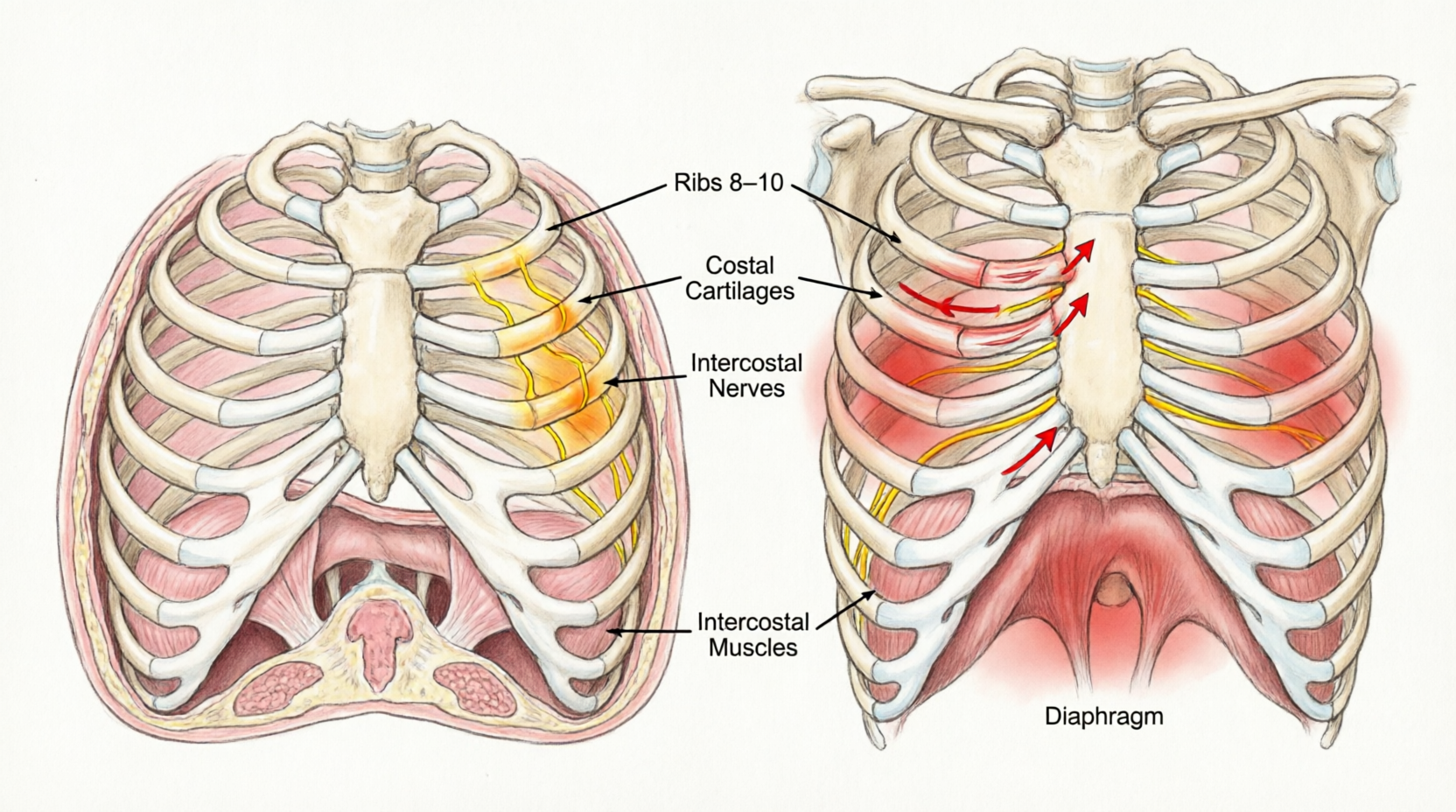
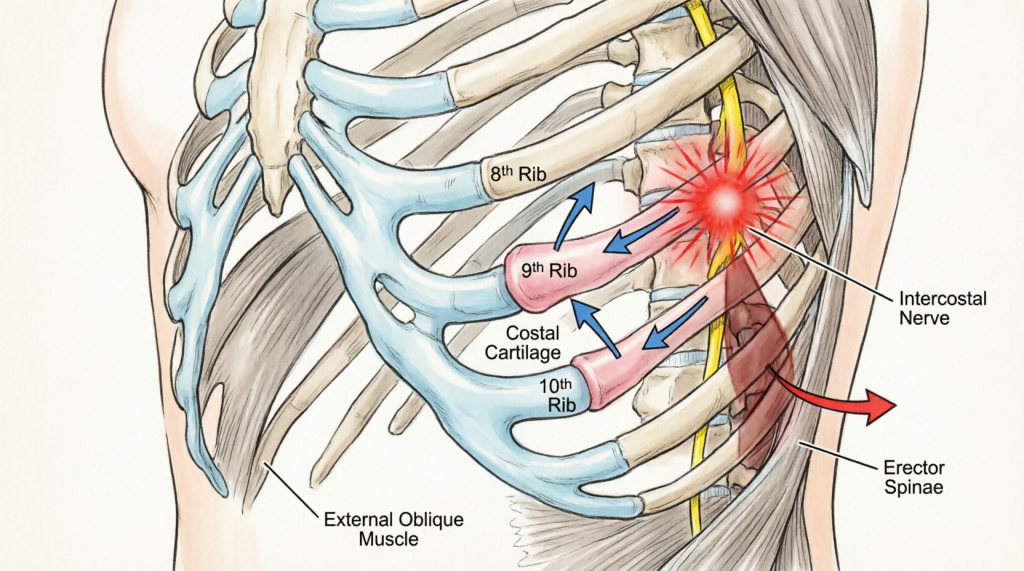
What makes slipping rib syndrome particularly tricky is that it stems from a mechanical issue in the ribcage itself rather than something internal like your organs or heart. The lower false ribs, specifically the 8th, 9th, and 10th, have flexible cartilage connections that can become loose or damaged. When those ribs slip or sublux, they can irritate nearby intercostal nerves, sparking that characteristic pain and movement sensation. While it accounts for only about 5% of musculoskeletal chest pain cases, the impact on quality of life can be huge for those affected. Understanding slipping rib syndrome is the first step toward finding real relief and getting back to normal activities.
What Exactly Is Slipping Rib Syndrome?
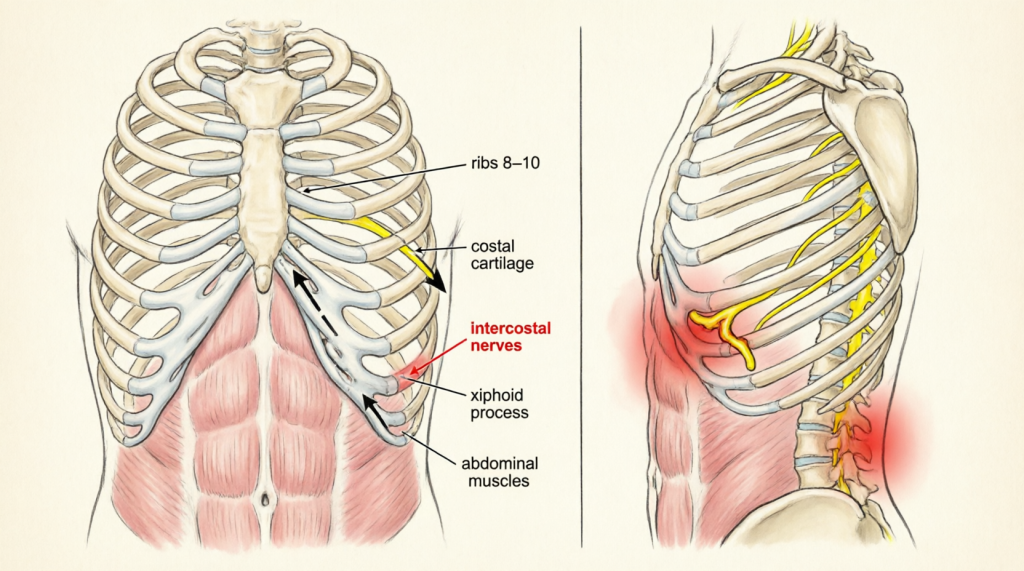
Slipping rib syndrome occurs when the cartilage attaching the lower false ribs becomes hypermobile, allowing one rib to slip partially out of place and sometimes trap or irritate the nerve running along the underside of the rib above it. This is not a full dislocation but rather a subtle subluxation that occurs intermittently. The false ribs do not connect directly to the breastbone like the upper true ribs; instead, they link through flexible costal cartilage to the rib above, which normally allows breathing and movement—but when that connection weakens, problems arise.
Think of the costal cartilage like a hinge on a cabinet door. When everything is tight and aligned, the door swings smoothly. But if the hinge loosens from wear, trauma, or natural variation, the door starts to catch and shift awkwardly. In slipping rib syndrome, that shift pinches sensitive nerves and strains surrounding tissues, leading to both sharp episodes and lingering aches. It is also known by other names, such as clicking rib syndrome or rib tip syndrome, which highlight the mechanical nature of the issue. The condition is benign in the sense that it does not damage organs, but the pain can be intense enough to limit sports, work, sleep, and even simple hugs or laughter.
Recognizing the Symptoms of Slipping Rib Syndrome
The hallmark of slipping rib syndrome is intermittent sharp, stabbing pain in the lower chest or upper abdomen, often on one side, that may radiate to the back, flank, or shoulder. Many people describe an unmistakable popping, clicking, or slipping sensation right when the rib moves, followed by a dull, aching soreness that can last for hours or days. The pain tends to flare with specific triggers like twisting the torso, bending forward, coughing, sneezing, deep breathing, laughing, lifting, or even changing positions in bed.
Because the irritated nerve can cause referred pain, some individuals feel it more as upper abdominal discomfort or a diffuse ache that is hard to pinpoint. Breathing deeply might feel restricted or painful during episodes, and tenderness often shows up when pressing along the lower costal margin. Symptoms can come on suddenly after a movement or build gradually, and they may wax and wane for weeks or months. What surprises many is how normal imaging, like X-rays or standard CT scans, often looks completely fine, since the problem lives in the soft cartilage and dynamic movement rather than broken bones or visible inflammation.
What Causes Slipping Rib Syndrome and Who’s at Risk?
The root of slipping rib syndrome usually traces back to weakened or disrupted fibrous attachments between the costal cartilages of the lower ribs. This hypermobility can develop from direct trauma, such as a fall, car accident, or blow during contact sports, or from repetitive strain, such as the twisting and reaching common in rowing, running, swimming, or even certain jobs. Some cases appear congenital, with cartilage connections naturally looser from birth, or they are linked to broader joint hypermobility conditions like Ehlers-Danlos syndrome.
Athletes, especially active young women, seem particularly prone, though slipping rib syndrome can affect anyone from children to older adults. Insidious onset without a clear injury is common, too—sometimes a simple sneeze or an awkward twist is enough to start the cycle. Hormonal factors or minor repetitive stress may play a role in why more females report it. Importantly, it is not caused by poor posture alone or “all in your head,” though the long search for a diagnosis can certainly lead to emotional strain. Understanding these triggers helps explain why slipping rib syndrome often shows up in otherwise healthy, active people who suddenly find their bodies betraying them during normal motion.
The Diagnostic Journey: How Slipping Rib Syndrome Is Identified
Diagnosing slipping rib syndrome starts with a detailed history and a hands-on physical exam, as standard imaging rarely captures the dynamic slipping. The gold-standard test is the hooking maneuver: the examiner gently hooks their fingers under the lower rib margin on the affected side and lifts upward and forward. A positive response reproduces the characteristic pain, clicking, or popping sensation, confirming hypermobile ribs and nerve irritation. This simple bedside test can be surprisingly definitive when performed by someone familiar with the condition.
Dynamic ultrasound is another valuable tool, capturing the rib actually moving out of place in real time during coughing, twisting, or specific maneuvers. Many patients endure multiple rounds of bloodwork, MRIs, endoscopies, or cardiac tests first because symptoms overlap with everything from gallstones and acid reflux to costochondritis or even anxiety-related chest pain. That diagnostic delay—sometimes lasting years—is one of the most frustrating parts of slipping rib syndrome. A skilled clinician who listens and performs the hooking maneuver can cut through the confusion quickly and point toward targeted relief.
How Slipping Rib Syndrome Differs from Similar Conditions
To help clarify why slipping rib syndrome often gets mistaken for other issues, here is a clear comparison of three commonly confused rib-related conditions:
| Slipping Rib Syndrome | Lower false ribs (8th–10th), upper abdomen | Sharp stabbing pain + clicking/popping, worsens with twist/cough/breathing | No | Hooking maneuver, dynamic ultrasound | Rest, NSAIDs, PT, nerve blocks, cartilage resection |
| Costochondritis | Upper ribs near sternum | Chest wall tenderness and pain, no mechanical click | Usually none | Clinical exam, rule out heart issues | NSAIDs, rest, heat, physical therapy |
| Tietze Syndrome | Upper ribs (often 2nd–3rd) near sternum | Pain plus localized swelling and tenderness | Yes | Clinical with visible/palpable swelling | NSAIDs, corticosteroids, rest |
This side-by-side view shows how the mechanical popping and lower-rib focus of slipping rib syndrome set it apart, even though all three can cause chest or abdominal discomfort.
Effective Treatment Paths for Slipping Rib Syndrome
Most people start with conservative approaches for slipped rib syndrome. Resting from aggravating activities, applying ice or heat, and taking over-the-counter NSAIDs like ibuprofen can help reduce inflammation and give the area time to settle. Physical therapy focused on posture, core stability, breathing mechanics, and gentle rib mobilization can strengthen supporting muscles and reduce recurrence. Some find relief with osteopathic manipulative treatment or topical pain gels.
When symptoms persist, intercostal nerve blocks—precise injections of anesthetic, with or without steroids—serve as both diagnostic confirmation and a therapeutic bridge, sometimes providing months of relief. For stubborn or severe cases that limit life significantly, surgery becomes a strong option. The most established procedure is surgical resection or excision of the offending costal cartilage tip, which removes the unstable segment and prevents further slippage. Newer stabilization techniques, such as sutures or bioabsorbable plating, are also emerging for select patients. Studies show high satisfaction rates, with many people achieving substantial or complete pain resolution and returning to sports and daily life. Recovery varies but often involves a period of restricted activity followed by gradual rehabilitation.
Real Stories of Hope and Recovery from Slipping Rib Syndrome
Hearing from others who have walked this path can be incredibly validating. One patient shared after years of misdiagnosis and multiple surgeries: “Keep advocating for yourself and don’t take no for an answer. It really isn’t just in your head.” Another described the transformation: “Both sides are now doing absolutely amazing. Keep fighting for answers because they’re out there.” These stories highlight the emotional toll of delayed diagnosis but also the profound relief that comes once slipping rib syndrome is properly addressed—whether through conservative care or skilled surgical intervention.
Cleveland Clinic experts note that “slipping rib pain can be intense, confusing, and frightening, especially when your healthcare provider can’t explain it.” Yet they emphasize it is “not an incurable or life-threatening disease—just an anatomical issue that surgery can fix” when needed. These real experiences and expert insights remind anyone struggling that persistent advocacy often leads to answers and improvement.
Conclusion
Slipping rib syndrome may be under-recognized, but it is very treatable once identified. From the simple yet powerful hooking maneuver to advanced surgical options, effective paths exist to quiet the pain and restore movement. If that clicking sensation and sharp rib discomfort sound familiar, do not dismiss it or assume it will simply vanish. Reach out to a healthcare provider—ideally one familiar with chest wall conditions—and describe your symptoms clearly, including any popping or movement feelings. Early recognition can spare months of uncertainty and help you return to the activities you love. Relief is possible, and many people who once felt hopeless now live active, pain-managed lives thanks to proper care for slipping rib syndrome.
Frequently Asked Questions About Slipping Rib Syndrome
Can slipping rib syndrome go away on its own without any treatment?
In mild cases, slipping rib syndrome symptoms sometimes settle with simple rest and activity modification as the irritated tissues calm down. However, because the underlying hypermobility of the costal cartilage remains, many people experience recurrent episodes triggered by normal movements. Conservative measures like physical therapy and avoiding aggravating actions can help manage it long-term, but persistent or worsening slipping rib syndrome often benefits from further evaluation rather than waiting it out indefinitely.
What does the hooking maneuver feel like during the diagnosis of slipping rib syndrome?
During the hooking maneuver for slipped rib syndrome, the examiner places their fingers under the lower edge of your ribcage on the painful side and gently lifts it upward and forward. Most patients report that it reproduces their familiar sharp pain or triggers the exact clicking or popping sensation they experience in daily life. It is not usually extremely painful beyond your normal symptoms, but the reproduction of your specific complaint helps confirm the mechanical slipping and nerve irritation characteristic of slipping rib syndrome.
Is surgery always necessary for slipping rib syndrome, or are there good non-surgical options?
Surgery is not the first line for slipping rib syndrome and is typically reserved for cases where conservative treatments fail to provide adequate relief. Many people achieve good control through rest, NSAIDs, physical therapy focused on rib and core stability, posture work, and occasional nerve blocks or injections. When pain remains debilitating despite these steps, procedures like costal cartilage resection or stabilization techniques offer high success rates and allow most patients to return to active lifestyles with significantly reduced or eliminated symptoms from slipping rib syndrome.
Who is most likely to develop slipping rib syndrome?
Slipping rib syndrome appears more frequently in active individuals, particularly young women and athletes involved in sports with twisting, reaching, or impact elements such as rowing, running, swimming, or contact sports. It can also arise after trauma or in people with underlying joint hypermobility. While it can affect all ages, the combination of repetitive strain or minor injury and naturally flexible cartilage connections seems to increase vulnerability. Anyone experiencing unexplained lower rib or upper abdominal pain with a clicking sensation should consider slipping rib syndrome regardless of age or activity level.
How can I manage daily pain and prevent flares from slipping rib syndrome at home?
Gentle self-care for slipping rib syndrome includes applying ice or heat to the area, taking short courses of over-the-counter anti-inflammatories if appropriate for you, and avoiding sudden twists or heavy lifting during flare-ups. Many find relief from supportive posture awareness, breathing exercises that minimize rib strain, and light stretching or physical therapy routines prescribed by a professional. Wearing loose clothing around the midsection and sleeping with a pillow for support can also reduce nighttime aggravation. These steps complement professional care but work best when paired with an accurate diagnosis of slipping rib syndrome.